
Posts by lifewd
Can You Clear Trees on Your Nanaimo Lot? Tree Removal Permit Rules Before You Build

In Nanaimo you can take out up to four ordinary trees from your own property in a calendar year without a permit. The word doing the work there is “ordinary”. The allowance never reaches a protected tree or a significant tree, and it disappears the moment you apply to subdivide or for a development permit.…
Read MoreTearing Down to Rebuild in Nanaimo: What the Process Involves
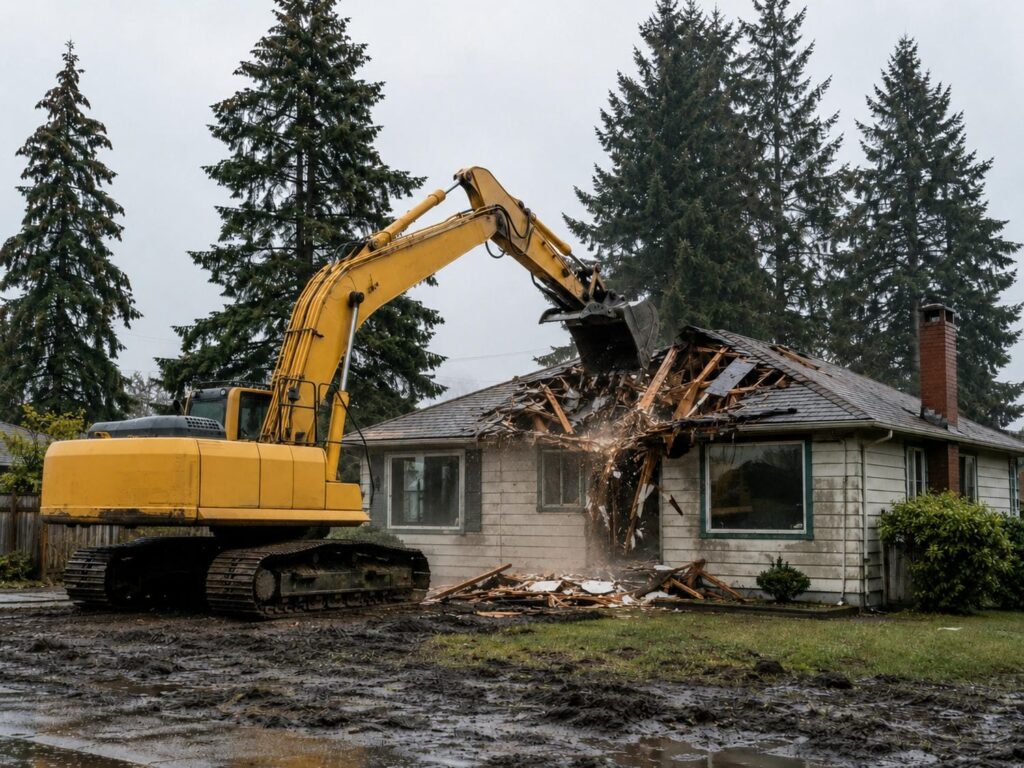
A teardown rebuild in Nanaimo means demolishing the older house on your lot and building a new custom home in its place, which is really two regulated jobs stacked back to back on one piece of land: a controlled, permitted demolition, and then a full new-home build. The land you are working with usually already…
Read MoreWhat a Property Survey Does for a Custom Home Build

Yes, a custom home build needs a property survey, and on Central Vancouver Island how hard a requirement it is depends on which authority issues your building permit. Inside Nanaimo one rule applies, in the Regional District of Nanaimo another, and on Salt Spring another again. The stakes are the same everywhere. If a building…
Read MoreFixed-Price Vs Cost-Plus: Picking A Custom Home Contract

Fixed-price contracts are usually the better fit when you want cost certainty, lender-friendly scope, and fewer budget surprises. Cost-plus contracts can make sense when the design is still evolving and you accept more variability. The safest choice is the contract that matches your scope clarity and risk tolerance, so review the details with a custom…
Read MoreWhat’s Actually Inside A $1.5M Custom Home Quote In BC
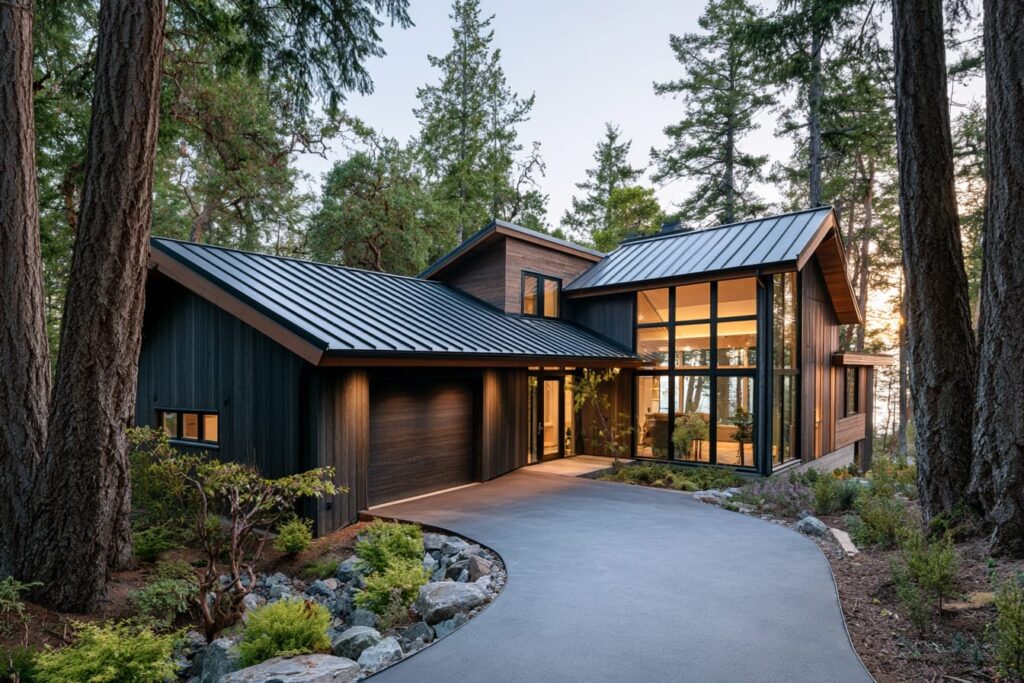
A $1.5M custom home quote in BC should not be a single mystery number. It should show what is included across design coordination, site preparation, foundation, structure, envelope, mechanical, electrical, plumbing, finishes, exterior work, permits, warranty, overhead, profit, allowances, exclusions, and taxes. If you are comparing numbers, it helps to review the scope alongside a…
Read MoreICF Foundations For A Custom Home: When They’re Worth It

If your lower level is going to be finished, heated, and actually lived in, an ICF foundation is worth a serious look, because it builds insulation and a solid concrete wall into one system from day one. It is not the right call for every home, though. Whether it pays off really comes down to…
Read MoreCustom Home Setbacks Near Water On Vancouver Island
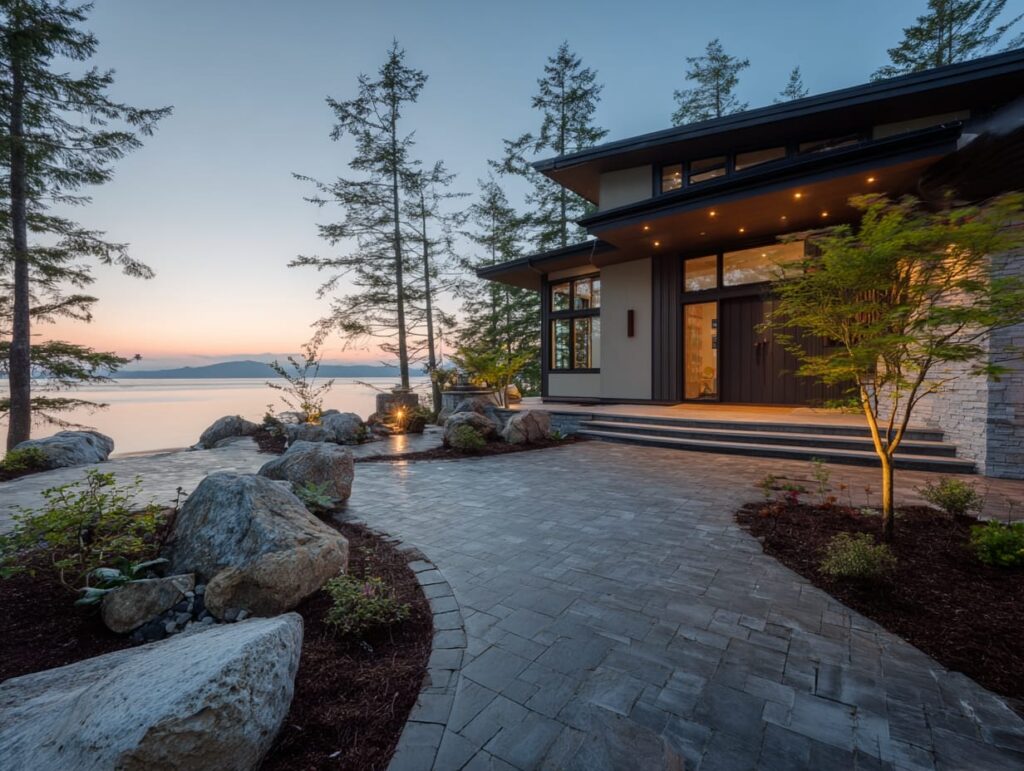
There is no single water setback that applies to every Vancouver Island custom home. A waterfront, creekside, lakeside, wetland-adjacent, or ravine lot may need to satisfy local zoning, environmental development permit areas, BC’s Riparian Areas Protection Regulation, flood construction levels, sea level rise rules, and site-specific professional reports before the buildable area is clear. If…
Read MoreAging-In-Place Features To Consider In Your Nanaimo Custom Home

The best aging-in-place features for a Nanaimo custom home are the ones that protect future mobility, safety, comfort, and independence without making the home feel institutional. Step-free access, main-floor living, wider clearances, safer bathrooms, good lighting, and future rough-ins are easiest to coordinate before the floor plan, framing, plumbing, and electrical work are set. That…
Read MoreCoastal Durability For Custom Homes On Vancouver Island

Coastal home construction on Vancouver Island starts with one priority: manage water first. The most durable homes are not built around one “perfect” siding, roof, or window product. They are designed as a full system that can handle wind-driven rain, wet winters, salt air, shaded exposure, interior humidity, and ongoing maintenance. That is why we…
Read MoreOccupancy Permits For New Homes In Nanaimo: What You Need Before Move-In

Before you move into a new home in Nanaimo, you need the City’s Certificate of Occupancy, which is what many homeowners mean when they search for an “occupancy permit.” Nanaimo’s building bylaw says you cannot occupy a building until that certificate has been issued, so move-in approval is a legal milestone, not just a builder…
Read More