
If you are building a new custom home on central Vancouver Island today, you are already in BC Energy Step Code territory. Step Code sets performance targets for how efficient and airtight your home must be, and your city or regional district decides which “Step” you have to hit when you apply for a building permit. We work with your energy advisor and designer from the start so your home passes the energy model, the blower door test, and the final inspection without drama. For a builder that does this every day, start with our custom home builder Nanaimo process.
Step Code is not about making life difficult. Done properly, it gives you a home that is quieter, more comfortable, and cheaper to heat and cool. The catch is that you have to plan for it early. That is where a coordinated design‑build team earns its keep.
What The BC Energy Step Code Actually Is
Clear One-Line Definition
The BC Energy Step Code is a provincial, performance‑based standard that sets measurable energy‑efficiency and airtightness targets for new buildings, on top of the BC Building Code. Instead of prescribing exactly how you build, it defines how well the finished home must perform, and lets your team choose the best way to get there. The provincial government describes it as a “road map” to net‑zero energy ready new buildings by 2032.
In practice, that means you need an energy advisor to model your home before you build, and you need testing at the end to prove the home hits its Step target. Municipalities can decide which Step applies in their area and for which building types, so Step Code is both a provincial framework and a local implementation.
How Performance-Based Targets Work
Under the old prescriptive approach, you followed a checklist of insulation levels and window values and hoped the result worked. Under Step Code, your designer and energy advisor create an energy model of your home using software that simulates heat loss, gains, and energy use. They look at things like wall and roof assemblies, window performance, airtightness assumptions, and mechanical systems, then compare the results to the Step target.
During construction, our job is to build exactly to that model. At the end, an energy advisor performs a blower door test to measure actual airtightness and confirms that the home meets or beats the required Step. You are not guessing anymore. The home either hits the target, or it does not, and you know that before you move in.
The Steps Ladder (Lower Vs Upper Steps)
For most custom homes (Part 9 houses and small buildings), the Energy Step Code is organized into Steps 1 through 5. Lower Steps are incremental improvements over base code. Upper Steps are high‑performance, near net‑zero energy ready homes. You do not need to memorize performance metrics; it is more important to understand how each Step feels and what it implies for cost.
Here is a simple, homeowner‑friendly view:
| Step Level | Rough Performance Idea | Typical Use For Custom Homes |
| Step 1 | Base code performance, verified by modelling and testing | Transitional in older bylaws |
| Step 2 | Noticeably better than base code; tighter envelope, better windows | Some rural / small‑town jurisdictions |
| Step 3 | Roughly 20% more efficient than 2018 base code; strong envelope and efficient systems | Current minimum in many areas, including the RDN and much of B.C. |
| Step 4 | High‑performance home, close to net‑zero ready | Ambitious custom designs or incentive‑driven projects |
| Step 5 | Net‑zero energy ready; similar to Passive House territory | Specialized, premium builds |
Lower Steps are where most code‑driven homes land today. Upper Steps are a deliberate choice for owners who value resilience, comfort, or long‑term efficiency enough to invest more up front.
What Step Your New Custom Home Must Meet On Vancouver Island
Province-Wide Baseline (20% Better Than Code)
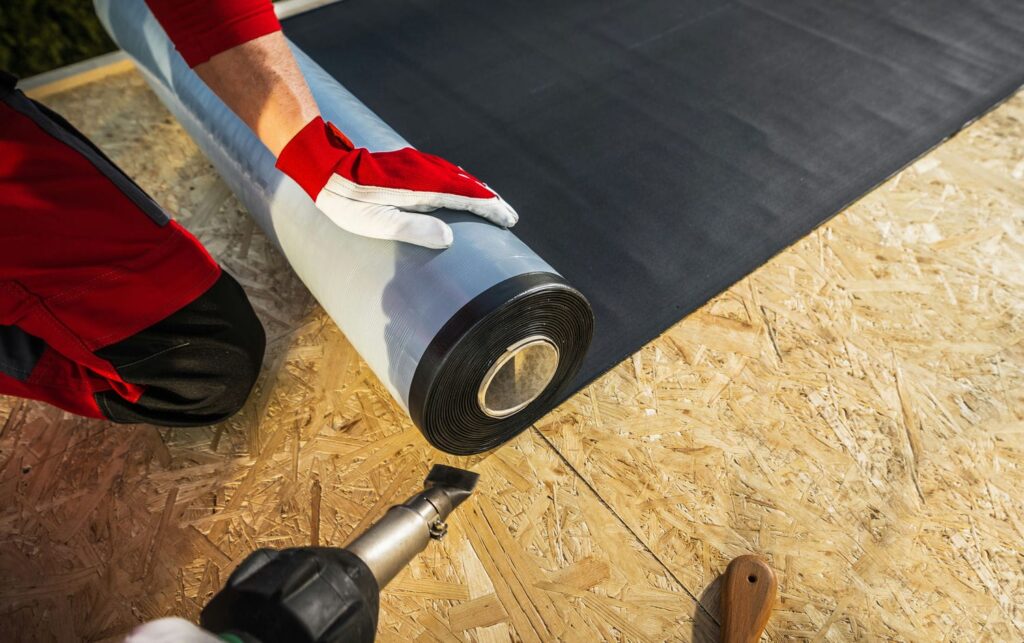
As of May 1, 2023, the BC Building Code increased the base energy‑efficiency requirements for new buildings, targeting about a 20% improvement over the 2018 code for most new homes. In practical terms, that nudges a typical Part 9 home into Step‑3‑like performance even before local governments add their own layers. Provincial guidance and regional districts describe this as the new baseline for new homes.
So even if you never use the word “Step,” your custom home plan must now meet a higher standard for energy performance. That is why we treat Step 3 as the planning floor for new builds, not an optional upgrade.
If you want a broader context on how Step Code fits inside the BC Building Code, our BC Building Code basics for custom homes on Vancouver Island article walks through code categories, inspections, and how energy rules interact with structural and safety requirements.
City Of Nanaimo Requirements (Energy + Zero Carbon)
The City of Nanaimo has adopted both the BC Energy Step Code and the Zero Carbon Step Code as part of its climate action program. The city’s Step Code and Zero Carbon page explains that new buildings must meet specific energy performance and greenhouse gas emission thresholds, and that new construction is expected to move toward low‑carbon systems such as high‑efficiency electric heat pumps rather than fossil‑fuel heating.
Nanaimo also uses rezoning and development policies to encourage buildings that go beyond the minimum, either by meeting a higher Step or by committing to low‑carbon systems. Because bylaws evolve, we always confirm the current requirements before we finalize your design and building permit submission. That due diligence is built into our process.
We go deeper on the permit side of things in our City of Nanaimo permits for custom homes guide, including sequencing, documents, and inspections.
Regional District of Nanaimo and Surrounding Areas
If you are building outside city limits, the Regional District of Nanaimo (RDN) still expects new homes to meet Step‑3‑equivalent performance for most Part 9 buildings. Their New Homes Energy and Carbon page explains how Step Code and Zero Carbon expectations apply in the rural areas and why early energy modelling is necessary.
Other mid‑Island jurisdictions are on similar trajectories: minimum performance equivalent to Step 3, with some going higher for certain projects. The safest assumption is that your new home will need to be at least a Step‑3‑level build. If you choose to go higher, that is a design choice we can help you weigh.
How Energy Step Code Changes Your Custom Home Design
Building Envelope: Walls, Windows, And Thermal Bridges
Step Code pushes you toward a better building envelope, not just more insulation. That means more continuous insulation (fewer gaps), higher‑performance windows with lower U‑values, and details that cut down thermal bridges at locations like balconies, rim joists, and steel beams. These details are baked into your plans and validated in the energy model, not guessed at during framing.
For you, that translates to fewer cold spots, less condensation on windows, and more predictable room‑to‑room temperatures. You notice it when you walk barefoot near exterior walls in January and they do not feel cold.
Airtightness, Fresh Air, And Blower Door Tests
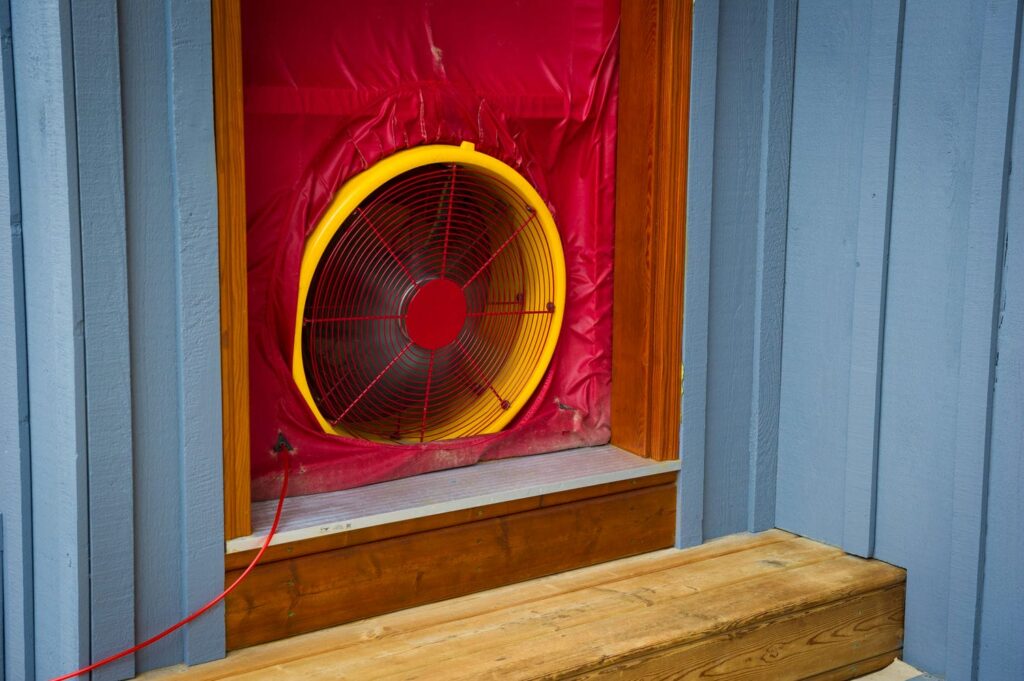
Airtightness is one of the most important Step Code levers. Instead of “good enough,” you now have a measured target for how much air can leak through the building at a set pressure difference. That target is verified with a blower door test before you receive occupancy.
Because the home is tighter, you also need proper ventilation. Most Step‑Code‑level homes use an HRV or ERV to supply filtered, tempered fresh air and exhaust stale air. When the systems are designed properly, you get cleaner indoor air and better humidity control without giving up heat.
We treat the blower door test as a design and construction target, not a surprise inspection. Air‑barrier lines are drawn on the plans, trades are briefed, and we use checklists to keep penetrations under control.
Heating, Cooling, And the Zero Carbon Step Code
When the envelope and airtightness are dialled in, you can use right‑sized mechanical systems, often high‑efficiency electric heat pumps that provide both heating and cooling. That reduces operating costs, improves comfort, and supports the Zero Carbon Step Code goals many municipalities are now adopting.
In practical terms, the combination of Energy Step Code and Zero Carbon Step Code is nudging new homes away from combustion‑based heating and toward low‑carbon, efficient systems. If you are planning a long‑term home, designing for that future now is smarter than retrofitting later.
Costs, Savings, And Comfort
Upfront Cost Drivers
Building to a Step‑3‑level standard or higher usually adds some cost compared to an older, truly minimum‑code home, but that cost is manageable when it is planned in from day one. The main drivers are better windows, more thoughtful envelope assemblies, energy modelling fees, and tighter on‑site quality control.
Studies referenced by the province and BC Housing indicate that lower Steps can be achieved with relatively modest premiums when integrated into the design process rather than bolted on at the end. At the upper Steps, you are paying for a high‑performance building, and it should be treated as a deliberate investment.
We factor expected Step requirements into your initial budget, so you are not surprised by “Step Code extras” halfway through design.
Energy Bills, Comfort, And Noise
The other side of the ledger is operating cost and comfort. A more efficient envelope and better systems mean lower heating (and often cooling) bills. You are not losing as much heat through walls and windows, and your mechanical system is not working as hard to keep up.
Comfort improves too. Fewer drafts, more consistent temperatures between floors, and quieter interiors are all direct results of Step‑Code‑driven design. The same features that keep heat in also cut down on traffic and wind noise, which you notice most in bedrooms and living areas.
Common Myths and Mistakes
One common myth is that Step Code is “just more insulation.” In reality, it is about how the whole home works as a system: envelope, airtightness, windows, mechanical, and even orientation. If one part is weak, the model and test results will show it.
Another mistake is leaving the energy advisor out until the last minute. When modelling is treated as a permit checkbox instead of a design tool, you end up with rushed changes and frustration. A third misstep is treating the blower door as a one‑time event instead of designing, detailing, and supervising trades with that target in mind.
The Step Code Process for a Custom Home (From Concept To Occupancy)
Pre-Design: Picking Your Step Target
The first decision is straightforward: which Step are you aiming for? We confirm the minimum required Step with the local authority, then talk about whether it makes sense to go beyond that for comfort, resilience, or future‑proofing. That decision shapes envelope details, mechanical options, and your budget.
We use our BC Building Code basics for custom homes guide as the higher‑level code framework, then layer Step Code and Zero Carbon expectations on top so you see the full picture.
Energy Modelling And Building Permit
Once you have a rough floor plan and elevation concept, your designer and energy advisor can build a preliminary energy model. They test different wall assemblies, window packages, HVAC options, and even small design tweaks to see how they affect performance.
When everyone is aligned on a solution, the energy advisor prepares a pre‑construction Step Code compliance report. That report goes in with your building permit application, alongside your drawings, engineering, and other documents. This is also where local requirements like Nanaimo’s Energy and Zero Carbon checklist come into play, which we explain in our City of Nanaimo permits article.
During Construction And Final Testing
During construction, the energy model becomes one of the reference documents for the build. Window labels, insulation levels, air‑barrier details, and mechanical equipment are all tied back to the model and the chosen Step. We brief trades, confirm products, and check details before they are covered up.
Near the end of the project, the energy advisor performs the blower door test and collects any final data needed for the as‑built model. Those results are submitted to the municipality as part of the occupancy documentation. When you have done the early work properly, final testing is confirmatory, not a scramble.
How Southpaw Homes Designs and Builds to Step Code
Integrated Design with Your Energy Advisor
We do not treat the energy advisor as an outsider. For Step‑Code‑level homes, they are part of the design team. We bring them in early to review concepts, suggest simple improvements, and keep performance and cost in balance.
Because we are a BC Housing Licensed Residential Builder, we are already set up to work within provincial performance and warranty frameworks, including Step Code. BC Housing also provides guidance to builders on integrating energy performance into new home design, which we follow in our process.
Quality Control and Testing on Site
On site, we focus on the details that move the needle: air‑barrier continuity, insulation quality, window installation, and mechanical commissioning. We use checklists and internal pre‑inspections before major inspections and the blower door test, so problems are caught when they are still easy to fix.
We also coordinate testing so it fits the build schedule, not the other way around. That keeps trades productive and reduces the risk of delays.
Transparency And Documentation for Owners
As a client, when building a custom home with Southpaw, you see the whole process in your online portal: daily logs, photos, energy model summaries, inspection notes, and final Step Code documentation. You know what is behind the walls and how the home performs on paper and in tests.
Behind that transparency are the protections you would expect from a serious builder: Pacific Home Warranty (2‑5‑10), WorkSafeBC coverage, $5 million commercial liability insurance, CHBA‑VI membership, and a track record of Step‑Code‑compliant builds across central Vancouver Island.
FAQs
What Is The BC Energy Step Code In Simple Terms?
It is a performance‑based standard in the BC Building Code that sets stepped energy‑efficiency and airtightness targets for new buildings. Instead of giving you a checklist of materials, it measures how well the whole home performs using energy modelling and blower door testing. Municipalities then decide which Step applies in their area.
Which Step Do I Have To Build To In Nanaimo Or The RDN?
Province‑wide, the code now expects performance roughly equivalent to Step 3 for most new Part 9 homes. Many local governments, including the RDN and the City of Nanaimo, have adopted policies and bylaws aligned with that baseline or higher. We confirm the current minimum with the local authority when we prepare your permit package so your design meets or exceeds what is required at the time you build.
Does Building To A Higher Step Add A Lot Of Cost?
Building to the lower Steps usually adds a modest premium when it is planned from the beginning, because you upgrade a handful of key components and spend more time on detailing and testing. Going to upper Steps (4 or 5) can add more cost and design work. The trade‑off is lower energy bills, better comfort, and a more future‑proof home. Incentive programs, when available, can offset part of that premium.
How Does Step Code Change My Custom Home Design?
It changes how we think about your home as a system. Wall and roof assemblies are more robust, windows perform better, airtightness targets are explicit, and heating and ventilation systems are sized and selected based on an energy model, not just rules of thumb. You still have design freedom, but the envelope and mechanical systems must work together to hit the Step target.
What Is A Blower Door Test And Why Is It Required?
A blower door test uses a fan and pressure gauge installed in an exterior door to measure how much air leaks out of (or into) the home. For Step Code compliance, the measured leakage must stay below a certain target for your chosen Step. The test confirms that the air‑sealing and envelope work done during construction actually delivers the performance shown in the model.
Do I Need An Energy Advisor For A Custom Home?
Yes. Under Step Code, an energy advisor is a key part of the team. They create the energy model before you build, advise on envelope and mechanical choices, and perform testing and reporting at the end. Their reports are part of your building permit and occupancy documentation in many jurisdictions.
Can I Still Use Natural Gas In A Step Code Home?
Technically, Step Code itself focuses on energy performance, not fuel type. However, many municipalities now layer on the Zero Carbon Step Code, which targets greenhouse gas emissions. That tends to favour electric systems (like heat pumps) over fossil fuels. In Nanaimo and the RDN, we generally recommend planning for low‑carbon, electric primary heating to stay aligned with current and future rules.
How Does Southpaw Homes Help Me Navigate Step Code?
We set your Step and Zero Carbon targets early, bring the energy advisor into the design process, and coordinate all the details and documentation through permits, construction, and final testing. As a licensed custom home builder with 2‑5‑10 warranty coverage, full WorkSafeBC protection, and a track record of Step‑Code‑compliant builds, we focus on making performance the default, not a headache.