
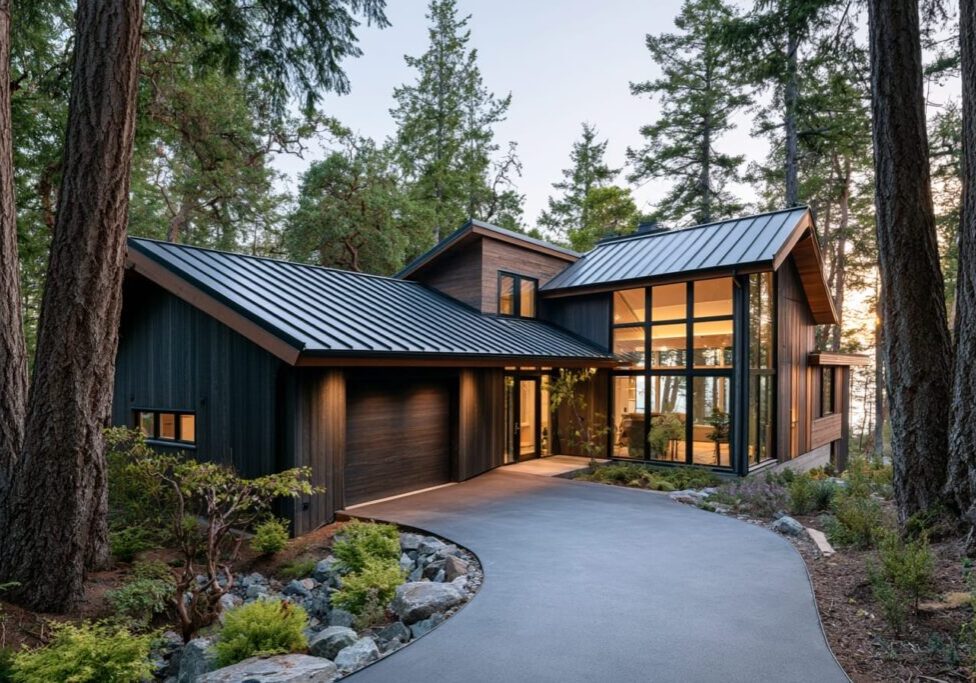
A $1.5M custom home quote in BC should not be a single mystery number. It should show what is included across design coordination, site preparation, foundation, structure, envelope, mechanical, electrical, plumbing, finishes, exterior work, permits, warranty, overhead, profit, allowances, exclusions, and taxes. If you are comparing numbers, it helps to review the scope alongside a custom home builder in Nanaimo who can explain what is fixed, what is assumed, and what could still change.
Rules for permits, building code, GST, rebates, and warranty can all affect the quote, so tax questions should be confirmed with the CRA or a tax professional.
At A Glance: What A $1.5M Custom Home Quote Should Explain
A strong custom home quote should make the scope understandable before you sign. It should explain what is included, what is excluded, what is carried as an allowance, what is fixed, and which assumptions are tied to unknown site or permit conditions.
Land is usually not included unless the agreement clearly says so. Design, engineering, permits, consultant fees, site work, foundation, framing, envelope, mechanical systems, finishes, warranty, insurance, overhead, profit, taxes, and rebates should each be visible enough to review. A fixed-price contract is only useful when the scope is clear enough to fix.
A good quote should answer these questions before contract:
- What exact home, drawings, and specifications are being priced?
- What site work and servicing assumptions are included?
- What permit fees, municipal charges, and consultant reports are included or excluded?
- What allowances apply to cabinets, tile, flooring, fixtures, appliances, and lighting?
- What taxes are included, excluded, or handled separately?
- What happens when the homeowner chooses above or below an allowance?
- What site risks remain outside the fixed scope?
What A Custom Home Quote Breakdown Actually Is

A custom home quote breakdown is a line-by-line or category-by-category scope summary that shows what the builder has included, what is carried as an allowance, what is excluded, and what assumptions could change the final contract price.
That definition matters because a quote should help you understand the home, not just the cost. A detailed quote gives you a way to compare scope, quality, risk, and process before the build begins.
A Quote Is More Than A Price
A good custom home quote is part pricing document, part scope document, and part risk map. It should show what the builder is responsible for, what the homeowner must supply or decide, and where unknowns remain.
The final number matters, but the clarity behind the number matters more. A $1.5M quote with clear inclusions, realistic allowances, and written exclusions can be more useful than a lower quote that leaves site work, finishes, permit costs, or taxes vague.
The best quote gives you confidence in what the builder has actually priced. It should reduce surprises, not hide them until construction starts.
Quote Vs. Estimate Vs. Budget Range
A budget range is an early planning number used before drawings and specifications are clear. It helps you decide whether the project is broadly realistic, but it is not precise enough to sign a build contract.
An estimate is more detailed, but it may still rely on assumptions, provisional amounts, or incomplete selections. A quote is more defined and should be tied to stated drawings, specifications, allowances, exclusions, and scope assumptions.
A fixed-price contract goes one step further. It commits the builder to a price for a defined scope, subject to agreed changes, exclusions, and conditions. Fixed price does not mean “everything imaginable is included.” It means the included scope is defined, priced, and controlled.
Why Two Builders’ Quotes Can Be Far Apart
Two builders’ quotes can differ because the scope is different. One quote may include site servicing, permit coordination, higher fixture allowances, better windows, more complete exterior work, warranty, insurance, and project management. Another may exclude or under-allow those same items.
That does not automatically make the higher quote better or the lower quote worse. It means you need to compare the two line by line before deciding which number is more honest.
A low number can become expensive if too much is missing. A higher number can be better value if it includes real work, better documentation, fewer assumptions, and a clearer path to completion.
The Big Buckets Inside A $1.5M Custom Home Quote
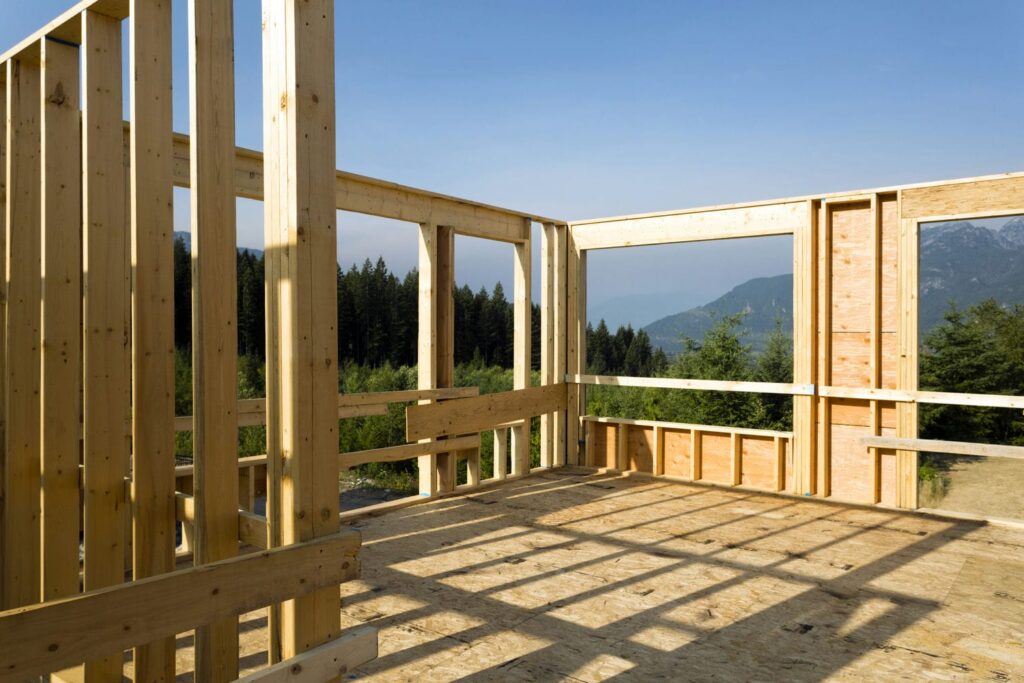
A $1.5M custom home quote is usually a bundle of many scopes, not one large construction line. The more clearly those scopes are separated, the easier it is to compare builders and make decisions.
The categories below are not a universal template. They are the areas a clear quote should address in some form.
Pre-Construction, Design, And Consultant Coordination
Some quotes include pre-construction coordination, design management, construction drawings, engineering coordination, energy modelling, surveying, and consultant input. Others carry these costs separately.
Neither approach is automatically wrong. The issue is whether the quote tells you what is included and what is not. A builder may include coordination in the contract price, while an architect, designer, engineer, energy advisor, surveyor, or other consultant may invoice separately.
Before signing, confirm who manages each consultant, who pays each fee, and what happens if drawings or reports need revisions.
Site Preparation, Excavation, And Temporary Works
Site preparation can include clearing, excavation, erosion control, temporary fencing, temporary power, construction access, staging, disposal, and site protection. On Vancouver Island, rock, slope, groundwater, tree roots, tight access, and soil conditions can change this scope quickly.
This is one of the biggest reasons two quotes can look different. One builder may include more realistic excavation and site logistics. Another may assume “normal conditions” and leave rock, groundwater, retaining, or special access as exclusions.
Ask what the site preparation line actually includes. A short description can hide a large risk.
Foundation, Structure, And Framing
The foundation and structure category can include footings, foundation walls, slab, waterproofing, perimeter drainage, backfill, concrete, structural framing, floor systems, roof framing, beams, connectors, hardware, and engineering-related details.
This is where site conditions and structural design meet. A foundation on a flat serviced lot is different from a foundation on a sloped, rocky, or water-constrained lot.
A clear quote should state what foundation type is assumed, what engineering information it relies on, and what site conditions could change the scope.
Building Envelope And Exterior Shell
The building envelope can include roofing, windows, exterior doors, weather barrier, flashing, siding, exterior trim, deck waterproofing, rainscreen details, and exterior transitions. This category affects long-term durability, comfort, and maintenance.
Two homes can look similar in renderings but differ sharply in window quality, cladding, flashing, roof details, and moisture-control strategy. That matters in BC and especially on Vancouver Island, where wet coastal conditions can test exterior assemblies.
Ask for product assumptions, not just finish names. “Premium windows” or “durable siding” is not enough without specifications or allowances.
Mechanical, Electrical, Plumbing, And Energy Systems
Mechanical, electrical, and plumbing can include heating and cooling, ventilation, hot water, plumbing rough-ins, fixtures, electrical service, panels, lighting rough-ins, EV charger rough-ins where included, smart-home wiring, and utility connections.
This scope should be tied to the home’s size, layout, fixture count, performance goals, and permit path. A quote that under-specifies mechanical systems can look attractive early and create problems later.
Energy goals and code requirements can affect mechanical and envelope choices. The quote should explain what energy path or performance assumption is being priced.
Interior Finishes And Selections
Interior finishes can include cabinets, countertops, tile, flooring, millwork, paint, interior doors, plumbing fixtures, lighting fixtures, hardware, appliances where included, closet systems, and specialty finishes.
This is where allowances often appear. A quote may include a set dollar allowance for cabinets, appliances, tile, lighting, or plumbing fixtures, then adjust the contract if selections exceed that allowance.
The phrase “high-end finishes included” is not enough. The quote should state the allowance amounts, selection process, and how overages or credits are handled.
Exterior Work And Landscaping
Exterior scope can include decks, railings, stairs, patios, driveway, walkways, retaining walls, drainage, final grading, planting, fencing, and landscaping.
Many disputes happen because the homeowner assumes these items are included when the quote only covers the house. A driveway, retaining wall, stormwater solution, or final grading plan can materially affect the budget.
Exterior work should be labelled clearly as included, excluded, or allowance-based. This is especially important on sloped lots, view lots, waterfront lots, and properties with long service runs.
Permits, Fees, And Municipal Costs

Permits and municipal costs are part of the real project cost, even when they are not part of the builder’s base construction number. A quote should make clear whether these costs are included, excluded, paid by the owner, or carried as allowances.
This is also where timing matters. A quote built before permit requirements are confirmed may need assumptions that should be written down.
What Permit-Related Costs Can Include
Permit-related costs can include building permit fees, plumbing permit fees, development permit costs where applicable, consultant reports, deposits, bonding, inspections, development-related charges where applicable, and municipal requirements tied to the site or design.
In Nanaimo, the main portion of the residential building permit fee is based on the value of construction, and the City publishes a building permit fee calculator for rough estimates, which makes permit assumptions important when comparing quotes in the area.
A quote should say whether permit fees are included in the contract price or handled separately. It should also say what happens if the City requires additional documentation, reports, or revisions.
Why Permit Assumptions Should Be Written Down
Permits can affect both cost and schedule. Development permits, geotechnical reports, energy documentation, site servicing reviews, and municipal revisions can all add time or scope depending on the lot.
The quote should state whether the builder is pricing a straightforward building permit path or assuming additional approvals. If those assumptions are wrong, the change process should be clear before the contract is signed.
The permit sequence a custom home needs in the City of Nanaimo sets out which approvals come first and when each one is required.
Code Version And Timing Can Matter
The BC Building Code 2024 came into effect on March 8, 2024, and applies to projects with building permits applied for after that date, so code timing can affect design requirements, documentation, and the quote’s underlying assumptions.
You do not need to become a code expert to review a quote. You do need to know that the quote should match the current permit and code path.
If a quote is based on older assumptions, ask whether revisions may be needed before permit submission.
Site Work And Servicing: The Scope That Often Moves The Number
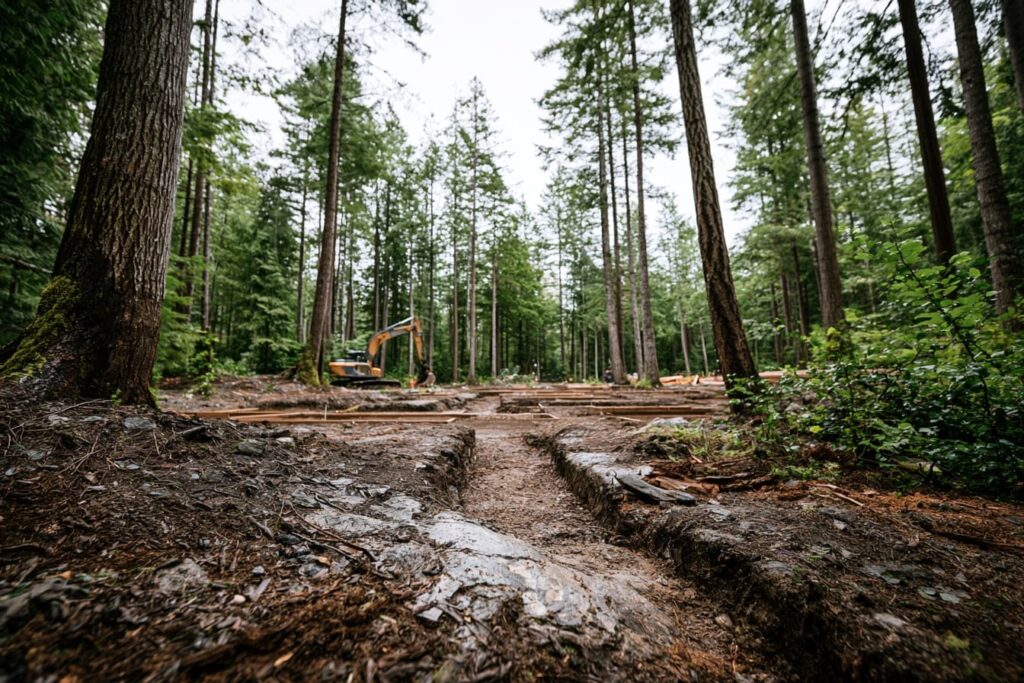
Site work is where a custom home quote can shift quickly. The house may be carefully priced, while the lot still carries unknowns that affect excavation, utilities, drainage, access, and schedule.
A fixed-price quote can only be fixed around known scope. Unknown site conditions need investigation, allowances, exclusions, or clearly stated assumptions.
Why Site Costs Are Different From House Costs
House costs are tied to the design, structure, systems, and finishes. Site costs are tied to the land. Rock, slope, tree removal, poor access, drainage, retaining, long service runs, groundwater, and unknown utility locations can all affect cost.
That is why a flat, serviced lot and a steep view lot should not be quoted the same way. The same house can cost more to build on a harder site.
A clear quote should separate site work from house work. This helps you see whether the builder has priced the actual lot or only the home shown on the drawings.
Water, Sewer, Storm, Hydro, And Utility Routes
Water, sewer, storm, hydro, telecom, gas where applicable, septic where applicable, and utility trenches need clear assumptions. A quote that says “services included” should still explain route, length, depth, capacity, connection points, trenching, bedding, inspections, and tie-in scope.
Existing connections may not be enough for a new custom home, especially if the footprint, fixture count, driveway, suite, or site grading changes. Stormwater routing can also affect the foundation, driveway, landscape, and municipal review.
Walking through a site servicing checklist for your lot helps you ask sharper questions about water, sewer, storm, and utility routing before the quote is finalized.
What To Do With Unknown Site Conditions
Unknown site conditions should not be ignored. They should be investigated, carried as allowances, listed as exclusions, or priced with clear assumptions.
Examples include rock excavation, contaminated soil, undocumented fill, groundwater, hidden services, slope instability, tree root conflicts, poor access, or unexpected retaining needs. These are not small details when they affect excavation, foundations, utilities, and schedule.
The risk is not the unknown itself. The risk is pretending it is known and signing a quote that cannot hold.
Energy Performance, Code, And Building Envelope Assumptions
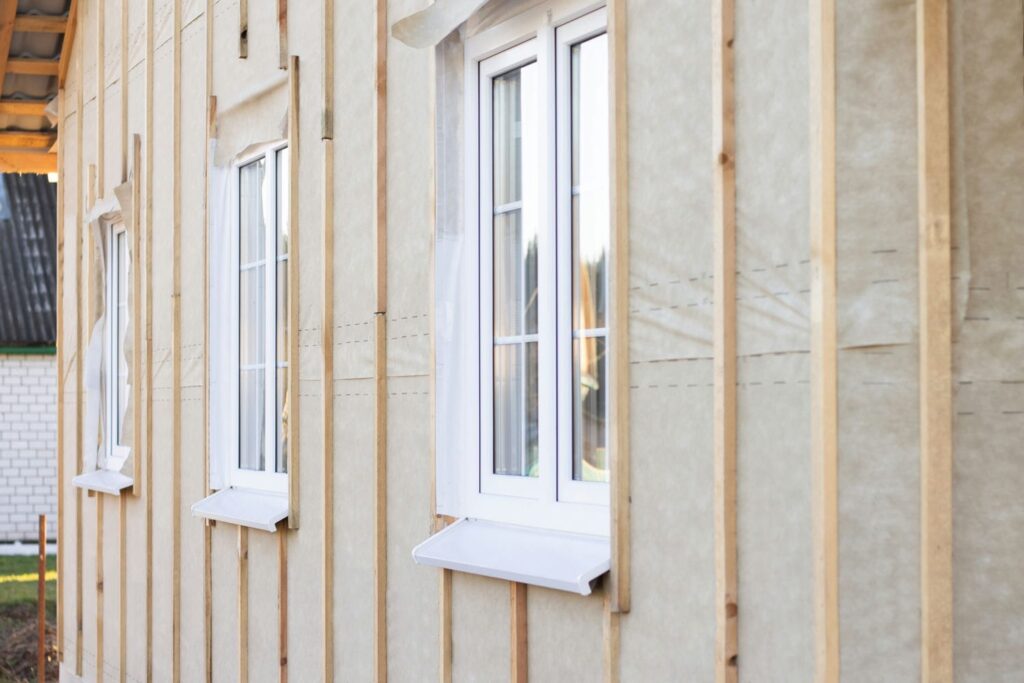
Energy performance is part of the scope, not a marketing line. Insulation, air sealing, windows, ventilation, heating, cooling, airtightness testing, energy modelling, and Step Code strategy can all affect the quote.
A quote should state what performance path is assumed so you can compare builders fairly.
Energy Performance Is A Scope Item
Energy performance affects assemblies, mechanical systems, documentation, and trade sequencing. A quote that assumes a lower performance path is not directly comparable to one that includes stronger windows, better envelope detailing, energy modelling, airtightness testing, and higher-performing mechanical systems.
BC’s Energy and Zero Carbon Step Code requirements depend on permit date and location, and local governments can require higher steps by bylaw, so the quote should reflect the jurisdiction and permit timing rather than a generic standard.
Understanding what the Energy Step Code means for a new custom home makes it easier to see why two quotes built to different performance paths are not directly comparable.
Better Performance Needs Coordination
Better performance is not only a product upgrade. It affects design, window choices, insulation, air sealing, ventilation, heating and cooling, exterior detailing, and construction sequencing.
If one quote assumes basic assemblies and another assumes a higher performance path, the numbers are not comparable. The lower quote may simply be pricing a different home.
Ask this directly: “What energy target, airtightness assumption, and mechanical strategy are included in this quote?”
Ask What Happens If The Energy Model Changes
Energy modelling can reveal upgrades, tradeoffs, or design adjustments. A model may point to a window change, insulation improvement, mechanical system adjustment, or airtightness target that affects the quote.
The contract should state whether energy model changes are included, excluded, or handled through change orders. That is especially important when permit timing, local bylaws, or project goals require a specific performance outcome.
A good quote does not pretend energy performance is separate from construction. It shows how the performance path is built into the scope.
Warranty, Licensing, Insurance, And Builder Overhead

A professional custom home quote should reflect the real obligations of building a new home in BC. Warranty, licensing, insurance, WorkSafeBC coverage, site supervision, project management, and administration all cost money because they protect the project.
These costs may not look exciting on a quote, but they matter when something needs to be documented, scheduled, corrected, or supported after possession.
Warranty And Licensing Are Part Of A Professional Build
The Homeowner Protection Act covers licensing of residential builders, owner-builder authorizations, and mandatory home warranty insurance, and it requires that before beginning a residential construction project in BC a person must be a licensed residential builder and secure home warranty insurance, unless an exception applies.
The same legislation also states, in the text of the Homeowner Protection Act, that a person must not build a new home unless it is registered for coverage by home warranty insurance through a warranty provider, subject to the Act and its exceptions.
Knowing how BC’s 2-5-10 new home warranty works helps you understand what coverage to expect on materials, the building envelope, and structure after possession.
Insurance, WorkSafeBC, And Site Management Have Real Cost
Legitimate site management includes supervision, safety systems, scheduling, insurance, WorkSafeBC coverage, quality control, documentation, and communication. These costs protect the homeowner, the builder, the trades, and the project.
A quote that ignores these costs may look lean, but it may not reflect the real cost of responsible construction. A custom home is not only a pile of materials and labour hours. It is a managed process.
Ask how supervision, safety, communication, warranty coordination, and quality control are included. Those systems often determine how the build feels once work starts.
Builder Overhead And Profit Should Not Be A Mystery
Builder overhead and profit are part of a sustainable construction business. They support estimating, project management, scheduling, supplier coordination, accounting, insurance, warranty service, office systems, and communication.
A transparent quote does not hide overhead. It explains how the build is managed and what the builder is responsible for.
The goal is not to eliminate overhead. The goal is to understand the value behind it.
Taxes, Rebates, And What The Quote Does Not Decide For You

Taxes and rebates can affect affordability, cash flow, and expectations, but they are not builder promises. They are tax matters that should be reviewed with CRA guidance or a tax professional.
The quote should be clear about whether taxes are included or excluded. Rebate eligibility should not be assumed unless the homeowner has confirmed it.
GST Is Not A Footnote
GST treatment matters on new home construction. The quote should state whether GST is included, excluded, shown separately, or handled in another written way.
The GST/HST new housing rebate may allow an eligible individual to recover some of the GST or federal part of the HST paid on a new or substantially renovated house used as the individual’s, or a relation’s, primary place of residence, when all conditions are met.
That does not mean every custom home buyer qualifies. Eligibility depends on the facts of the project and the CRA rules that apply.
Rebates Are Eligibility Questions, Not Builder Promises
Rebate eligibility can depend on buyer status, use of the home, fair market value, agreement timing, completion timing, construction type, and CRA rules. A builder can show where taxes sit in the quote, but the builder should not replace tax advice.
The CRA’s RC4028 guide to the new housing rebate is written for individuals who purchased, built, substantially renovated, or hired someone to build a qualifying house, among other situations, and it explains common tax scenarios without replacing the law itself.
The safest approach is to ask for tax treatment in writing, then confirm rebate eligibility through CRA or your tax professional.
Ask For Tax Clarity In Writing
The quote should state whether GST, rebates, owner-paid fees, financing costs, legal fees, and other taxes are included, excluded, or handled separately.
This prevents confusion when the contract is being finalized. It also prevents a rebate from being treated like guaranteed savings when it may depend on eligibility, timing, and documentation.
A clean quote does not give tax advice. It gives the homeowner the information needed to ask the right tax questions.
Allowances, Exclusions, And Change Orders
Allowances, exclusions, and change orders decide how the quote behaves after signing. They are not fine print. They are the rules for what happens when selections, site conditions, or owner decisions change.
A clear quote explains all three in terms the homeowner can follow.
Allowances Are Not Free Money
An allowance is a budget placeholder for a selection or scope item that is not fully specified yet. Common allowances include cabinets, appliances, lighting, tile, plumbing fixtures, hardware, landscaping, or specialty exterior features.
If the final selection exceeds the allowance, the price usually changes. If the final selection comes in below the allowance, the contract should explain whether and how credits are handled.
A good allowance is specific. It tells you the amount, what it covers, whether labour is included, and how selection changes are approved.
Exclusions Need To Be Specific
Exclusions should be explicit. Vague language like “site conditions excluded” or “landscaping by owner” is not enough unless the homeowner understands the practical impact.
Items often excluded or separated can include land, financing, legal fees, furniture, window coverings, appliances, landscaping, driveways, rock excavation, utility upgrades, off-site work, permit fees, development permit reports, and taxes.
Ask the builder to explain exclusions in normal language. A quote you cannot explain back is not clear enough.
Change Orders Should Have A Process
Changes are normal in custom homes. The issue is whether they are priced, approved, scheduled, and documented before work proceeds.
A good change-order process tells you who can request a change, how pricing is prepared, when approval is needed, how schedule impacts are handled, and how the change becomes part of the contract.
This protects both sides. The homeowner knows what a change costs, and the builder has a clear instruction before the work is done.
The Custom Home Quote Breakdown Table
Use this table to compare competing quotes. The goal is not to force every builder into the same format. The goal is to make sure each quote answers the same core questions.
A quote that leaves several categories blank is not ready for a fair comparison.
Recommended Comparison Table
| Quote Category | What It May Include | What To Confirm Before Signing |
| Pre-Construction | Design coordination, drawings, engineering, energy modelling | Included, separate, or allowance? |
| Permits And Fees | Building permits, consultant reports, deposits, municipal charges | Who pays, when, and what is assumed? |
| Site Work | Clearing, excavation, access, erosion control, temporary works | What site risks are excluded? |
| Servicing | Water, sewer, storm, hydro, telecom, utility trenches | Route, length, capacity, connection scope |
| Foundation And Structure | Footings, slab, foundation, framing, beams, roof structure | Engineering assumptions and site conditions |
| Envelope | Roofing, windows, doors, siding, waterproofing, flashing | Product specs and durability details |
| MEP Systems | HVAC, ventilation, plumbing, electrical, hot water | Performance target and fixture counts |
| Interior Finishes | Cabinets, counters, tile, flooring, paint, fixtures | Allowance amounts and selection process |
| Exterior Work | Decks, railings, driveway, grading, landscaping | Included, excluded, or partial scope? |
| Warranty / Insurance / Management | Warranty registration, supervision, safety, administration | Builder obligations and client visibility |
| Taxes | GST and applicable tax treatment | Included or excluded; verify rebate eligibility |
This table is a quote-review tool, not a pricing formula. It helps you see where the number comes from and where more clarification is needed.
How To Use The Table
Put competing quotes side by side and fill the table in for each one. If one builder has a clear answer and another has a blank, an exclusion, or vague wording, the comparison is not complete.
This is especially useful for site work, servicing, finishes, exterior work, taxes, and allowances. Those are the areas where homeowners often assume more is included than the quote actually says.
Once the table is filled in, the “higher” and “lower” quote may look different. You may discover that one builder is pricing more of the real project.
Custom Home Quote Review Checklist: 12 Questions To Ask Before You Sign

Before signing, use this checklist to slow the process down and make the quote easier to understand. These questions are designed to reveal scope gaps before they become expensive.
A builder who has priced the project carefully should be able to answer them clearly.
The 12 Questions
- Does the quote include land, or is land separate?
- Are design, engineering, survey, and energy modelling included?
- Are building permit fees, deposits, development permits, and consultant reports included?
- What site work is included, and what site risks are excluded?
- Are water, sewer, storm, hydro, and telecom connections included?
- What foundation, framing, and structural assumptions are included?
- What energy performance target or Step Code path is assumed?
- What finish allowances are included for cabinets, tile, flooring, fixtures, appliances, and lighting?
- Is landscaping, driveway, decking, fencing, and exterior hardscape included?
- Are GST, rebates, warranty, insurance, and builder overhead explained?
- What change-order process is used?
- What is fixed, what is an allowance, and what is excluded?
The strongest question is often the last one. It forces the quote to separate certainty from assumption.
What To Ask If The Quote Seems Too Low
A low quote is not automatically bad. It may reflect a simpler design, clearer site, lower finish level, or a builder with a lean process. However, it needs scrutiny.
Ask what has been excluded, which allowances are low, what site conditions are assumed, what happens if the assumptions are wrong, and whether permits, reports, taxes, warranty, insurance, landscaping, and servicing are included.
The lowest quote only wins if it covers the same scope, quality, process, and risk.
What A Fixed-Price Quote Should Give You
A fixed-price quote should give you clarity, not false certainty. The price is only meaningful when the drawings, specifications, allowances, exclusions, and assumptions are clear enough to support it.
That is why fixed price should come after scope definition, not before.
Scope Clarity Before Contract
Fixed price works best when the builder and homeowner have agreed on what is being built, what products and allowances are included, what site risks remain, and how changes will be handled.
A fixed number based on vague drawings, low allowances, and excluded site work does not protect the homeowner. It only moves the uncertainty into the build.
The value of fixed price is that it gives you a defined path. It should reduce guesswork, not dress it up.
A Clear Schedule And Decision Path
A good quote should connect to a schedule and decision process. You should know when selections happen, when permits are submitted, when procurement starts, and when unresolved choices could affect cost or timeline.
Selections that happen late can affect ordering, trade scheduling, and installation. Site decisions that happen late can affect excavation, servicing, and inspections.
A detailed build schedule helps the quote become a working plan, not just a signed number.
Documentation During The Build
Quote clarity should continue during construction. Daily logs, progress photos, change-order records, selection approvals, and decision tracking keep the build aligned with the contract.
This matters because many expensive decisions happen after work begins. The quote sets the baseline, but documentation protects the baseline.
A transparent process helps the homeowner see what changed, when it changed, and why.
How We Help You Understand The Number Before You Build
The value of a quote is not only the final number. It is the detail behind the number: the drawings, site assumptions, permit path, allowances, exclusions, schedule, selections, and documentation that make the price meaningful.
Southpaw Homes helps clients understand custom home scope before they commit. We use a fixed-price contract model, a detailed build schedule, and a client portal with daily logs and progress photos so cost, selections, site assumptions, and change decisions stay visible. As a BC Housing Licensed Residential Builder with Pacific Home Warranty coverage, WorkSafeBC coverage, and $5M commercial liability insurance, we build quotes around the real work: site conditions, permits, servicing, structure, performance, finishes, and handover. If you are ready to plan a build, our design-build custom homes process walks scope, allowances, and site assumptions through one coordinated team.
Frequently Asked Questions
What Is Included In A Custom Home Quote In BC?
A custom home quote can include design coordination, site preparation, foundation, framing, envelope, mechanical, electrical, plumbing, interior finishes, exterior work, permits, warranty, overhead, profit, allowances, exclusions, and taxes. The exact inclusions depend on the builder and contract structure, and the quote should clearly separate what is fixed, what is an allowance, and what is excluded.
Does A $1.5M Custom Home Quote Include Land?
Usually no, unless the agreement clearly says land is included. Most custom home quotes are for designing and building on a lot the client already owns or is purchasing separately, so land, financing, legal fees, due diligence, and property transfer costs should be confirmed separately unless they are specifically written into the agreement.
Does A Custom Home Quote Include Permits?
Sometimes. Some quotes include permit fees and consultant costs, while others carry them as allowances or exclusions. In Nanaimo, the main portion of the residential building permit fee is based on construction value, so permit assumptions should be written down, and it is worth asking whether building permits, plumbing permits, development permits, deposits, consultant reports, and revision costs are included.
Are Taxes Included In A Custom Home Quote?
They may or may not be. The quote should clearly state whether GST is included or excluded, and rebate eligibility is a tax question that should be confirmed through the CRA or a tax professional. Do not assume a rebate applies until eligibility is confirmed.
Why Are Two Custom Home Quotes So Different?
Quotes can differ because of scope, site assumptions, allowances, finish quality, permit inclusions, warranty, insurance, overhead, schedule assumptions, and exclusions. One quote may include work that another quote leaves out, so it is better to compare categories, not only totals.
What Is The Difference Between An Allowance And A Fixed Price Item?
A fixed price item is included at a defined scope and specification, while an allowance is a placeholder amount for a selection or scope item that is not finalized yet. If the final selection exceeds the allowance, the price usually changes, and if it comes in below the allowance, the contract should explain how credits are handled.
What Should I Ask Before Signing A Custom Home Quote?
Ask what is fixed, what is an allowance, what is excluded, whether taxes and permits are included, what site risks remain, what energy path is assumed, how change orders work, and how the builder documents decisions during construction. The clearer the answers, the easier it is to protect the budget and schedule.