

BC’s “2-5-10” home warranty insurance is mandatory for new homes built by a Licensed Residential Builder, and it covers specific construction defects for set periods: 2 years (materials and labour), 5 years (building envelope), and 10 years (structural defects). It’s real protection, but it’s not a blanket promise that “everything is covered,” and it’s not the same thing as a deficiency list.
If you want a custom build where warranty enrolment and documentation are built into the process, start with a licensed custom home builder like Southpaw Homes.
This is general guidance for homeowners building anywhere in BC, including Vancouver Island and the Gulf Islands. Always read your actual policy, because the policy is the contract and it can include specific limits and exclusions.
What 2-5-10 Warranty Insurance Is (And Isn’t)
Home warranty questions usually show up when someone is about to sign a contract, take possession, or notices a problem and wants to know if it’s “covered.” The fastest way to avoid frustration is to understand what 2-5-10 is designed to do.
It protects you against certain construction defects. It does not exist to handle cosmetic preferences, normal wear, or contract disputes about finishes.
What Is Home Warranty Insurance?
2-5-10 home warranty insurance is third-party coverage for certain construction defects in new homes, with different coverage periods depending on the type of defect.
Think of it as the minimum consumer protection floor that the Homeowner Protection Act requires for new homes. Your policy may add coverage, but it cannot go below the minimum periods set out in law.
Insurance For Construction Defects, Not A Finish Punch List
BC Housing is direct about this: home warranty insurance covers problems with how the home was built, not cosmetic issues, personal preferences, or contractual expectations.
Here’s the catch. Many “new home complaints” are real issues, but they’re not warranty issues. A paint blemish, a cabinet door adjustment, or a flooring scratch is usually a deficiency or maintenance item, not a construction defect claim.
Why Custom Builds Need Extra Clarity
Custom builds involve more owner choices. More choices means more opportunities for misunderstandings about what the builder controls versus what the owner selected or supplied.
BC Housing notes defect-related exclusions can include labour, materials, and design supplied by the owner.
So if you want to supply fixtures, flooring, appliances, or design elements yourself, you should understand how that affects warranty responsibility before you commit.
What The “2” Covers: Materials And Labour
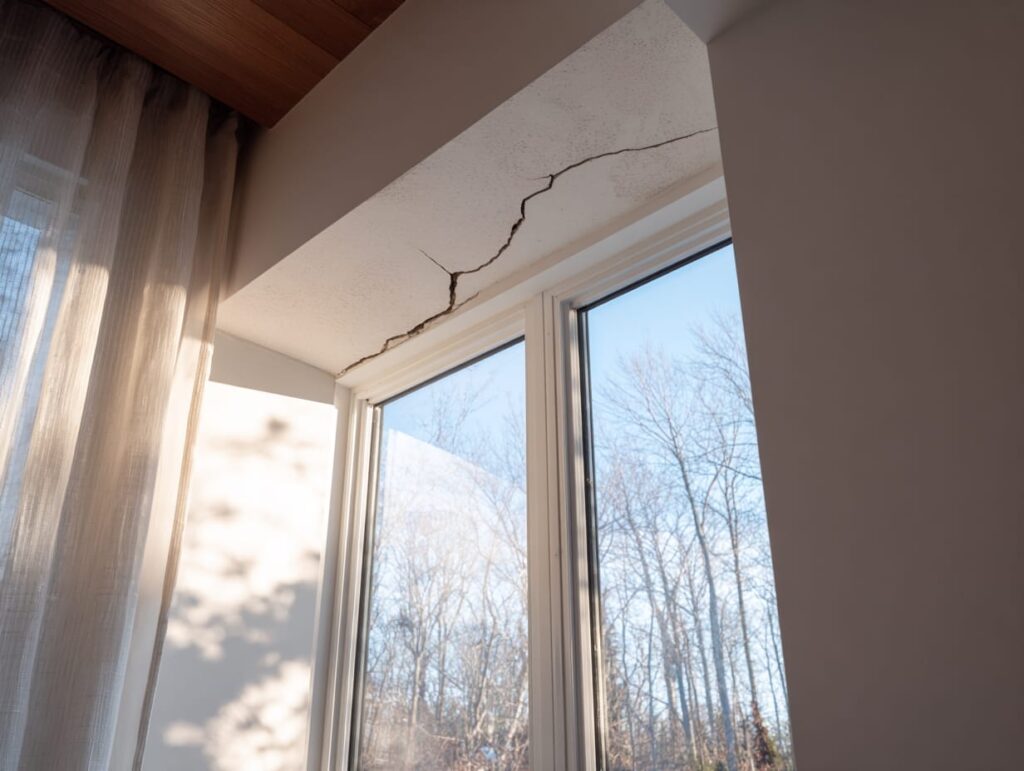
The “2” is where most people spend their attention, because it overlaps with early-life issues and the first seasons of the home doing what new homes do: drying, settling, and stabilizing.
The important part is that the “2” isn’t one simple bucket. BC Housing breaks it into sub-periods and specific component coverage.
The Three Time Buckets Inside The 2-Year Coverage
BC Housing lists limits within the 2-year materials and labour coverage, including: 12 months for detached homes (and non-common property in strata units), 15 months for common property in multi-unit strata buildings, and 24 months (applies to all new homes) for major systems, exterior cladding, windows, doors, and defects that make the home unfit to live in.
This matters because homeowners often assume “2 years is 2 years for everything.” It isn’t. You need to know which clock applies to your home type and the issue you’re seeing.
Major Systems Coverage (The Part People Miss)
Major systems include electrical, plumbing, heating, ventilation, and air conditioning, and BC Housing notes these are part of the 24‑month coverage bucket.
This is where a well-managed build process earns its keep. Proper commissioning, clean documentation, and organized trade coordination reduce early failures and make troubleshooting faster if something does happen.
Building Code Violations (Only In Specific Situations)
BC Housing states coverage also includes Building Code violations if they create a health or safety risk, or are likely to cause material damage to the home.
That’s a narrower lane than most people assume. If you want to understand how code compliance and inspections work on Vancouver Island without getting buried in legal language, read our Building Code overview.
What The “5” Covers: Building Envelope (Water Is The Enemy)
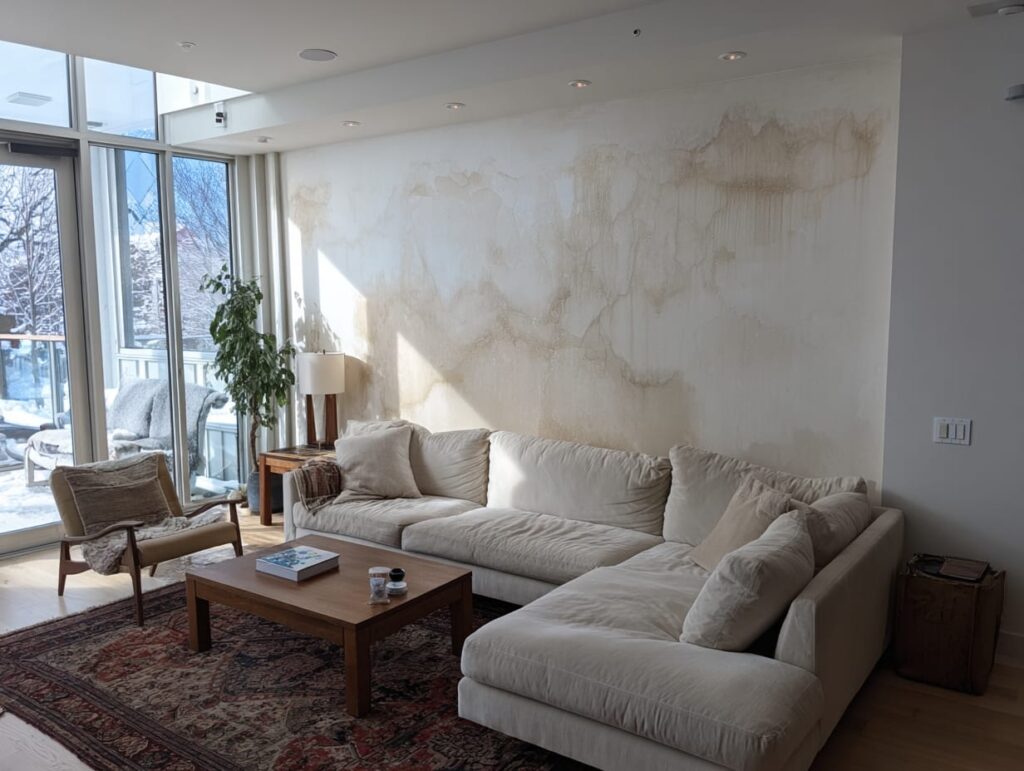
If the 2-year period is about early-life issues, the 5-year building envelope coverage is about one thing: keeping water out.
Water problems are expensive because they hide. They also get worse if you “wait and see,” which is why your response matters as much as the coverage period.
The “Building Envelope”
The building envelope is the set of components that separate the indoors from the outdoors and manage water, air, and vapour at the exterior boundary of the home.
In real terms, it’s where roofs, walls, windows, doors, and foundations meet. Most building envelope issues show up at transitions and penetrations, not in the middle of a wall.
What Counts As A Building Envelope Defect
BC Housing describes the 5-year building envelope coverage as covering defects in the building envelope, including unintended water penetration that could cause damage.
Think flashing integration, window-to-wall transitions, cladding details, roof-to-wall junctions, and deck interfaces. The defect isn’t “a stain on drywall.” The defect is the pathway that let water in.
Why Maintenance And Early Action Matters
BC Housing’s claims guidance is clear: you should review your policy, and you must send written notice if an issue may be covered and is still within the coverage period.
Here’s the catch. Delaying action can turn a small, fixable water entry point into larger damage. And defect-related exclusions can include failure of an owner to prevent or minimize damage.
So when you see water, you document, mitigate, and notify properly.
What The “10” Covers: Structural Defects (The Big Stuff)
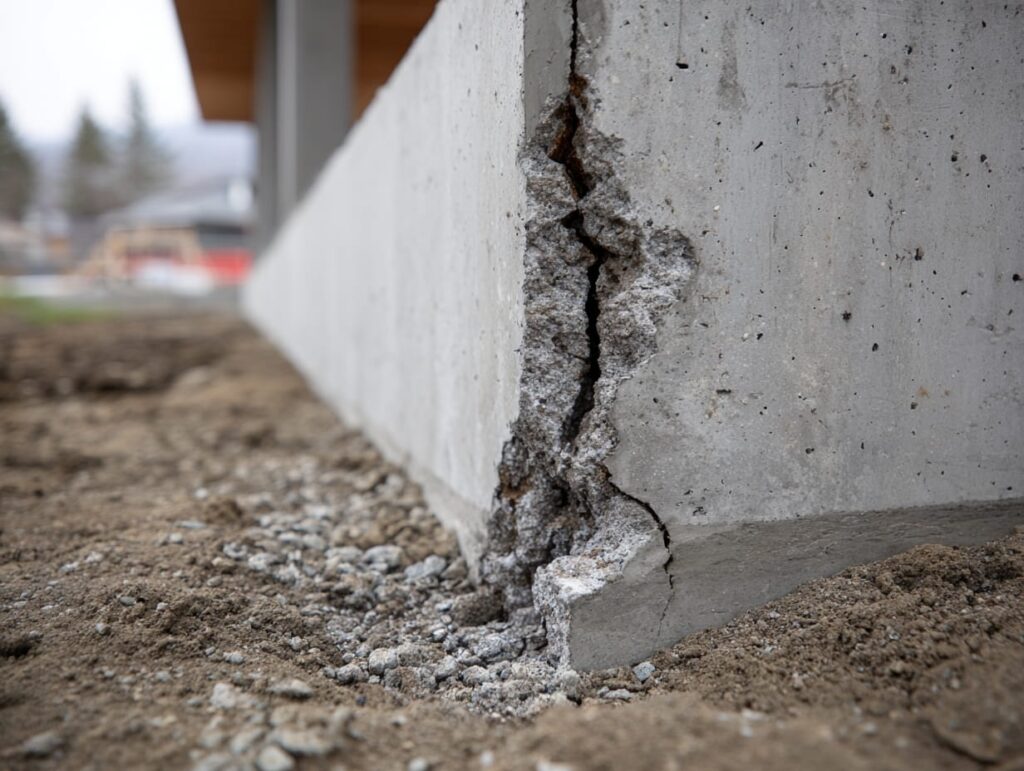
The 10-year coverage is the one people talk about most, but it’s usually the least-used. That’s a good thing. If you’re making a structural claim, you’re dealing with a serious problem.
This coverage exists for load-bearing failure and structural integrity issues, not normal “new house movement.”
What “Structural Defect” Means In Practice
BC Housing describes 10-year coverage as covering defects in load-bearing parts or the overall structure of the home, including defects that make the home unfit to live in.
This is about the structure not doing its job. Foundations, framing systems, and major load paths are the usual suspects.
Common Confusions (Settling Vs Structural)
Many homeowners see cracks and assume “structural.” Often it’s shrinkage or minor settling, especially in the first year as wood dries and seasonal humidity changes.
The catch is that you shouldn’t guess. You document what you see, track whether it’s progressing, and follow the proper notice process if you believe it may be covered and is within the coverage period.
When Coverage Starts (Custom Homes Have A Specific Clock)
Coverage isn’t tied to “when the builder finished.” It’s tied to specific legal and occupancy milestones, and those milestones matter because your deadlines are anchored to them.
For custom home owners, you want to know the commencement date and keep it in your project records.
Custom Detached Homes Commencement Date
BC Housing states that for custom detached homes, coverage begins at occupancy or first occupancy permit, whichever comes first.
That’s the date you treat as Day 0 for your 2-year, 5-year, and 10-year clocks. If you don’t know it, find it, because it affects everything from maintenance planning to resale disclosures.
Coverage Stays With The Home, Not The Owner
Coverage stays with the home, and if you sell, the remaining warranty transfers to the next owner.
This is why good recordkeeping is not optional. Your warranty documents, occupancy dates, and claim history are part of the home’s “paper trail,” and they matter at resale.
Why This Matters For “We’ll Fix It Later”
A common mistake is letting a builder “handle it informally” and assuming that counts as a claim. BC Housing warns that repairs offered by a builder without written notice to the warranty provider do not count as a formal claim, and you may be too late once coverage expires.
If you want to protect your rights, you document and notify properly even if the builder is cooperative. You can still work things out amicably, but you don’t skip the paper trail.
Limits And Exclusions (Where Most Homeowner Frustration Starts)
Most warranty frustration comes from assumptions. Homeowners assume coverage is broader than it is, then discover exclusions after a problem shows up.
The fix is simple: understand the limits and exclusions before you sign, and design your site and scope to reduce “grey area” disputes.
Coverage Limits (Know The Cap)
BC Housing lists maximum claim amounts, including for detached homes: the lesser of the first owner’s purchase price or $200,000.
This is another reason to treat water management, slope stability, and envelope detailing as non-negotiable planning items. Warranty insurance is important, but you still want to avoid defects in the first place.
General Exclusions You Should Expect
General exclusions can include landscaping, roads/curbs/lanes (driveways are covered), and site grading and surface drainage.
Many expensive homeowner headaches live in those excluded zones: drainage, grading, and landscaping decisions. If you want a practical checklist to de-risk servicing early, use our site servicing guide.
Defect-Related Exclusions
Defet-related exclusions can include normal wear and tear, labour/materials/design supplied by the owner, damage caused by others or natural events, and failure of an owner to prevent or minimize damage.
This is where “I’ll save money by buying my own materials” can get complicated. You can still do it, but you need a clear understanding of responsibility and documentation before it hits the build schedule.
How To Verify Your Builder And Warranty Before You Sign

If you only remember one thing from this article, make it this: verify licensing and warranty enrolment before you sign. Marketing claims are easy. Registry proof is better.
Confirm The Builder Is Licensed
The Homeowner Protection Act prohibits building a new home unless the home is registered for coverage by home warranty insurance (and it includes minimum coverage requirements), with a separate regime for owner builders.
Your safest approach is to verify the builder’s status directly through BC Housing tools and documentation, then keep that proof in your project folder.
Confirm The Home Is Enrolled In Warranty (Not Just “We Do Warranty”)
The New Homes Registry can help you discover if a new home (or a new home under construction) has a home warranty insurance policy and whether it was built by a licensed residential builder.
This matters for custom builds, because you’re not buying a product on a shelf. You’re commissioning a one-off. Your “verification step” is part of being a smart owner.
How This Ties Into Permits And Paperwork
Before you can obtain a building permit (or start construction where a permit isn’t required), you’ll need a New Home Registration Form as proof of licensing and home warranty insurance.
For Nanaimo homeowners trying to understand how the paperwork stacks up in real life, see our custom home permit sequence guide.
How Claims Work (And How To Avoid Blowing The Deadline)
Warranty insurance doesn’t work like a casual customer service request. It’s a defined process with defined timelines.
The goal is not to “fight.” The goal is to document properly so the right party can assess and act while coverage is still live.
Step-By-Step Claims Flow
Guidance starts with reviewing your policy for coverage, exclusions, limits, and expiry dates, then identifying your builder and warranty provider.
A practical claim flow looks like this:
- Confirm the issue may be covered and you’re within the applicable period.
- Take photos and write down dates, locations, and what’s happening.
- Send written notice to the warranty provider and the builder.
- Prevent further damage while you wait for direction.
- Keep a clean paper trail of communication and site visits.
Written Notice Is Not Optional
BC Housing states you must provide written notice to both your home warranty insurance provider and your licensed residential builder, as soon as possible and before coverage expires.
Here’s what “good notice” usually includes: your address, the warranty policy info (if available), a clear description of the defect, the location in the home, when you first noticed it, photos, and what you did to prevent further damage.
If You Disagree With The Outcome
If you disagree with a claim decision or claims handling, BC Housing has a pathway for warranty complaints and emphasizes protecting your rights by filing in writing with both the warranty provider and builder before expiry.
This is also where you slow down and get disciplined. You don’t want to wing it with verbal conversations when deadlines and exclusions matter.
Warranty Starts Long Before Move-In
The best warranty claim is the one you never have to file. That comes from build systems that reduce defects in the first place. Warranty is not just a document you get at the end. It’s a result of planning, sequencing, and quality control throughout the build.
The Build System That Reduces Warranty Headaches
A predictable schedule reduces rushed work. Rushed work creates defects, and defects create disputes.
That’s why we plan in detail, coordinate trades tightly, and document decisions as we go. When you can point to what was installed, when it was installed, and who did it, problems get solved faster.
Trades And Quality Control Matter More Than Marketing
Most homeowners don’t need “luxury.” They need competence, verification, and accountability. If you want to understand why trade licensing and documentation matter on a real jobsite, this is the deeper read.
Build With Warranty Clarity, Not Warranty Confusion
2-5-10 warranty insurance matters, but it’s not a strategy by itself. The real strategy is reducing defects through planning, documenting decisions, and handling issues properly while coverage is live.
Southpaw Homes builds with a fixed-price contract model, a meticulously planned schedule, and a client portal with daily logs and progress photos. We’re a BC Housing Licensed Residential Builder in Nanaimo, and our homes are protected with third-party 2-5-10 new home warranty insurance through Pacific Home Warranty.
FAQs
What Does BC’s 2-5-10 New Home Warranty Cover?
It covers specific construction defects for set periods: 2-year materials and labour, 5-year building envelope (including unintended water penetration that could cause damage), and 10-year structural defects.
When Does The 2-5-10 Warranty Start For A Custom Home?
Coverage for custom detached homes begins at occupancy or first occupancy permit, whichever comes first.
Does The Warranty Transfer If I Sell My Home?
Yes. BC Housing notes coverage stays with the home and transfers to the new owner when you sell, for whatever time remains.
What’s Typically Excluded From Coverage?
BC Housing notes exclusions can include landscaping, site grading and surface drainage, normal wear and tear, and owner-supplied labour/materials/design (among others).
How Do I File A Warranty Claim In BC?
You must provide written notice to both your warranty provider and your licensed residential builder, as soon as possible and before coverage expires.
How Do I Verify My Builder Is Licensed And The Home Has Warranty?
BC Housing explains the New Homes Registry can help you confirm whether a home has a home warranty insurance policy and whether it was built by a licensed residential builder.
Is 2-5-10 The Same As My Deficiency List At Possession?
No. Deficiencies are contract closeout items. Warranty insurance is coverage for specific construction defects with defined periods, limits, and exclusions.
Do Owner-Built Homes Have 2-5-10 Warranty Insurance?
Owner-built homes can be exempt from the mandatory home warranty insurance requirement under the Homeowner Protection Act, and BC Housing notes the owner builder is responsible for defects for 10 years after occupancy.