
Licensed trades matter because they reduce risk. Not “marketing risk.” Real risk: failed inspections, hidden defects behind finished walls, water damage, safety issues, and warranty problems that show up when it’s too late to fix cheaply.
Here’s the builder-side truth: on a custom home, the trades are the build. If the wrong people show up, or the right people show up at the wrong time, quality and schedule both suffer. That’s why we run design-build custom homes with trade coordination baked into the plan from day one.
If you want to make smart decisions before you sign, this guide shows you what “licensed trades” means in B.C., what you can verify, and what good trade management looks like in the real world.
What Licensed Trades Means In BC
In plain language, “licensed trades” means the people doing regulated work have the right qualifications to do it properly and legally, and the work can pass permits, inspections, and warranty scrutiny without backpedalling later.
In B.C., this usually comes down to trade certification (the person), business licensing (the company), and coverage (liability insurance and WorkSafeBC). When one of those is missing, the homeowner often ends up holding the bag.
Trade Certification, Business Licensing, And Insurance
Trade certification is about the worker’s qualification. In many scopes, you want a journeyperson, a Red Seal, or an apprentice properly supervised by a qualified person.
Business licensing is separate. A company might be allowed to operate locally, but that alone does not prove the individuals doing the work are qualified for the scope.
Insurance and coverage are the third leg. This is where accountability lives. If something fails, leaks, or causes damage, you want clear responsibility and proof of coverage in place before work starts.
What Homeowners Can Verify
You can verify whether a tradesperson has been issued a Certificate of Qualification or Red Seal in B.C. using SkilledTradesBC’s public verification tool.
This is not about being distrustful. It’s basic due diligence. If someone is qualified, they won’t get offended by you verifying it.
Where Licensed Trades Matter Most On A Custom Home
Plumbing, Mechanical, And Water Damage Risk
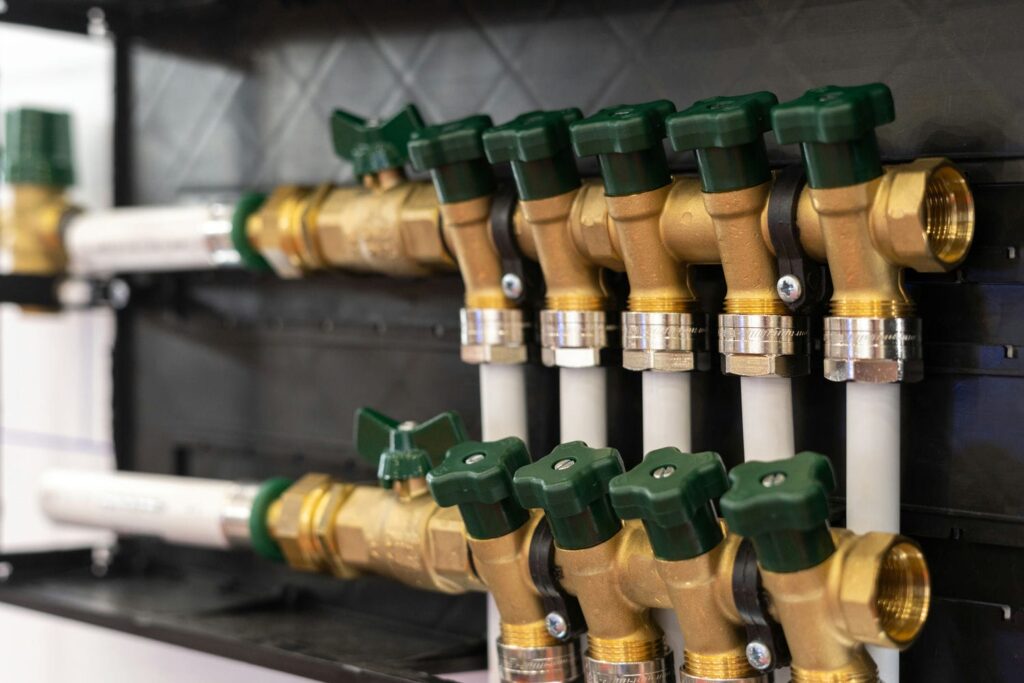
Plumbing is high stakes because failures hide. A small leak can soak framing, rot sheathing, ruin insulation, and create mould issues long before you notice a stain on drywall. By the time you “see it,” the repair is usually invasive.
In Nanaimo, plumbing and servicing can require permits depending on what you’re doing, and the City clearly describes when a plumbing or services permit is required.
Mechanical work matters for comfort and air quality. Step Code and tighter envelopes mean your ventilation and heating need to be designed, installed, and commissioned properly. Sloppy mechanical work is one of the fastest ways to turn a good design into a mediocre home.
Electrical, Fire Safety, And Inspection Exposure
Electrical is safety-critical. Done wrong, it creates fire and shock risk. It also creates inspection problems that can stop your project cold, because electrical issues often force rework after walls are closed.
Even when the work is technically “passable,” poor coordination shows up as ugly device placement, messy runs, and compromised air barriers. The best time to prevent that is before rough-in starts, not during final deficiencies.
If you want the big picture on how inspections work across a custom build, our BC Building Code basics guide breaks down what inspectors check, and when.
Building Envelope Trades, Windows, Flashing, Siding
The building envelope is where long-term durability is won or lost. Flashing details, window installs, rainscreen gaps, and transitions at decks and penetrations can be the difference between a dry wall and a slow rot problem.
Here’s the catch: envelope issues can pass a basic inspection and still fail later. That’s why trade qualification is necessary, but not sufficient. You also need a builder who sets detailing standards, inspects the work, and documents it before it gets covered up.
If your home is being built to higher airtightness targets, these details get even more important. We cover that in our Energy Step Code guide.
What Can Go Wrong When Trades Aren’t Qualified Or Properly Managed

Failed Inspections And Rework
When a trade fails inspection, the cost is not just “fix the issue.” It’s lost time, rebooking, disrupted sequencing, and trades stepping on each other trying to catch up. One missed item can cascade into a week of delays across multiple crews.
This is exactly why good builders build a schedule around inspections and hold points, not around optimism. If you’re building in Nanaimo, our permits guide explains how sequencing and inspections typically flow so you can spot weak planning early.
Warranty And Liability Problems
Warranty and liability problems usually show up after handover, when you need clarity most. If the trade scope was vague, documentation was thin, or the builder cannot point to who did what and when, things get messy fast.
A well-run build documents trade scopes, changes, inspections, and key photos as the work happens. That documentation is what makes warranty conversations simple instead of combative.
Safety And Coverage Gaps
Coverage gaps are one of the most expensive “silent failures” in residential construction. If someone gets hurt or causes damage and they are not properly covered, homeowners can get pulled into disputes they never saw coming.
As a homeowner, you’re not trying to manage a safety program. But you are choosing whether your builder treats safety and coverage as non-negotiable, or as a footnote.
Here’s The Catch
Licensing is a baseline. You can still get poor outcomes with qualified trades if the builder does not manage the system: scope, sequencing, standards, inspections, and documentation.
So when a builder says “we use licensed trades,” your next question should be: “How do you prove it, and how do you manage them?”
What The City Actually Requires For Trade Work
Trade Work Often Has Its Own Permit Path
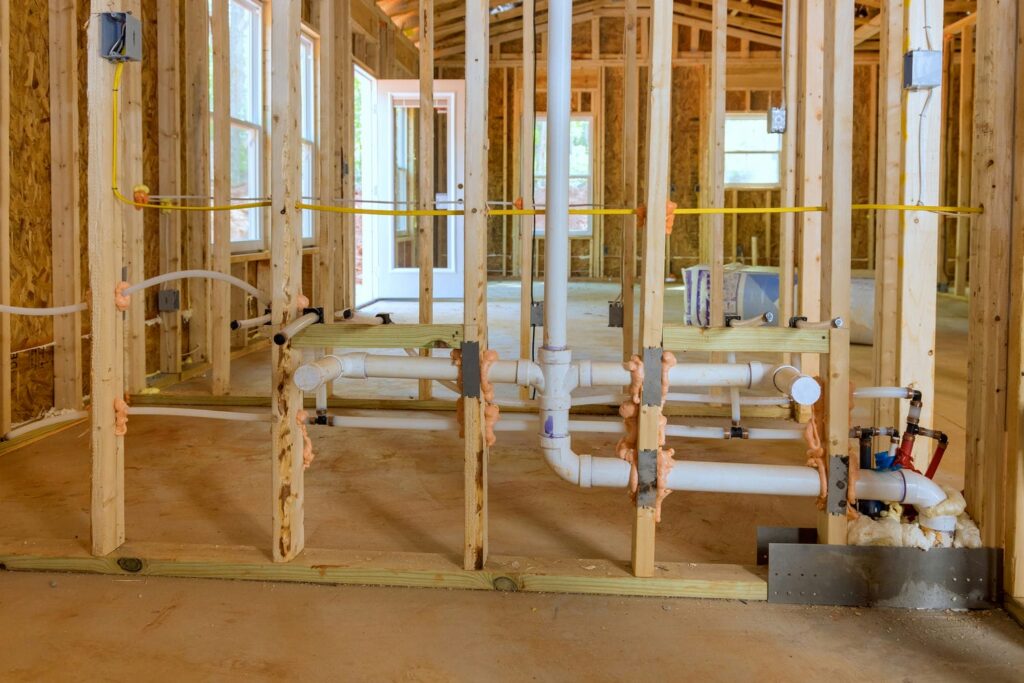
On a custom build, some trade work is packaged inside the building permit, and some has separate permits, forms, or declarations. This depends on the jurisdiction and the scope.
The practical takeaway is simple: if your builder can’t clearly explain who pulls which permits and who calls which inspections, you’re looking at a coordination problem.
Nanaimo Example: Plumbing Declaration And Who Can Request Inspections
Nanaimo makes plumbing accountability very clear. Their Plumbing Declaration Form states that plumbing work under a building permit must be performed by a qualified plumber (or an apprentice under supervision), or by the owner/occupant in limited cases. It also states that plumbing inspections must be requested by the plumber, not the general contractor.
That single sentence tells you what municipalities expect: named responsibility, traceable qualifications, and inspection control tied to the trade doing the work. If a builder is casual about this, expect friction during inspections.
Where To Find Local Requirements
Start with your local government’s permit pages and forms library, then confirm requirements during feasibility. Nanaimo’s building permits hub is a good example of how a city lays out permit and inspection responsibilities.
If you’re outside Nanaimo, the rules may look different, but the principle is the same: clear responsibility, correct permits, and documented inspections.
How We Manage Licensed Trades On A Custom Build

Prequalification Before A Trade Ever Steps On Site
We don’t “meet a trade on Monday and start Tuesday.” We prequalify before anyone sets foot on site. That means checking fit for the scope, confirming the right personnel are assigned, and ensuring the trade can deliver within the schedule window.
Prequalification is not paperwork for its own sake. It’s how we prevent the two most common causes of defects: wrong expectations and rushed work.
Scope Clarity And One Source Of Truth
Most trade failures start with unclear scope. Drawings that leave gaps, selections that aren’t final, and assumptions that don’t get written down create change orders and shortcuts.
We prevent that by setting a single source of truth: approved drawings, written scopes, and documented selections. When something changes, we document it and update the plan so trades don’t improvise in the field.
Scheduling And Sequencing That Protects Quality
Trades need the right timing to deliver quality. If insulation goes in before rough-ins are truly complete, you get torn vapour barriers. If drywall goes up before envelope details are verified, you hide problems and pay more to fix them later.
We build a schedule around dependencies and inspection windows. That keeps work clean, reduces rework, and protects both quality and timeline.
Site Standards, Checklists, And Hold Points
We use site standards and checklists to keep details consistent across trades. We also use hold points: planned stops where we verify critical work before it gets covered up.
You see that process in the client portal: daily logs, progress photos, and documentation tied to milestones. This is how you turn “we do good work” into proof.
Homeowner Checklist: How To Spot A Builder Who Truly Uses Licensed Trades
The Questions You Should Ask
Ask these before you sign. A competent builder won’t dodge them.
- Who are your key subs, and how long have you worked together?
- What do you verify: certification, business licensing, insurance, WorkSafeBC?
- Who pulls which permits, and who requests inspections?
- How do you document changes, inspections, and deficiencies?
- What’s your schedule, and where are the trade hold points?
If the answers are vague, expect vague outcomes.
Red Flags That Should Make You Walk
If you hear any of these, stop and reassess.
- “We don’t need permits for that.”
- “Pay cash, it’s cheaper.”
- No schedule, no documentation system, no clear scopes.
- Trades “figure it out on site” without updated drawings.
BC Housing’s consumer guidance on hiring contractors reinforces the basics: check credentials, ask about insurance and workers’ compensation, and get clear written scope and pricing.
Quick Reference Table
Use this as a quick filter when you’re comparing builders. It’s not exhaustive, but it highlights where verification matters most.
| Trade Area | What You Can Verify | Why It Matters | Where It Shows Up |
| Plumbing | Certification, company details, permit responsibilities | Leaks and water damage risk | Rough-in, inspections, fixture installs |
| Electrical | Qualified contractor, inspection responsibility | Fire and shock risk | Rough-in and final checks |
| HVAC / Ventilation | Competence, commissioning approach | Comfort and indoor air quality | Balancing, performance, noise |
| Envelope | Proven experience and detailing discipline | Rot, leaks, mould prevention | Often shows up years later |
| Finishing | Standards and supervision | Fit and finish, durability | Handover deficiencies |
Built Right, Managed Right, Protected at Every Stage
If you want a home that passes inspections, performs well, and stays trouble-free, you need licensed trades and a builder who manages them like a system. We run fixed-price custom builds with a detailed schedule, a client portal with daily logs and progress photos, and documented inspection milestones. We’re a BC Housing Licensed Residential Builder with Pacific Home Warranty (2‑5‑10), WorkSafeBC coverage, and $5M commercial liability insurance.
See how we deliver design‑build custom homes in Nanaimo and book a consultation to start building your dream home.
FAQ
What Does Licensed Trades Mean On A Custom Home?
It means regulated work is completed, or properly supervised, by qualified people, and the work can meet permit, inspection, and warranty requirements. In B.C., that usually means trade certification plus proper business and insurance coverage.
Can I Verify A Tradesperson’s Certification In BC?
Yes. SkilledTradesBC provides a tool to verifywhether an individual has been issued a Certificate of Qualification or Red Seal in B.C.
Do Licensed Trades Guarantee Quality Work?
No. Licensing is the baseline. Quality comes from clear scope, proper sequencing, supervision, and verification before work gets covered up.
What Happens If A Builder Uses Unqualified Trades?
The risks rise quickly: failed inspections, rework, safety issues, hidden defects, and disputes about responsibility. Those problems usually cost time and money, not just frustration.
Who Should Pull Trade Permits On A Custom Home?
It depends on the permit type and jurisdiction. A well-run build clarifies permit responsibility in writing, and documents it as the project moves through inspections.
How Do You Prove Trades Were Managed Properly?
Through documentation: inspection sign-offs, checklists, daily logs, progress photos, and clear tracking of changes and approvals.
What Should I Ask Before I Sign With A Builder?
Ask what they verify, who their key subs are, how they schedule around inspections, how they manage changes, and how they document the build. If they can’t answer clearly, they likely can’t execute clearly.